U.S.-Iran Conflict Deepens as Strikes and Retaliation Shake the Middle East
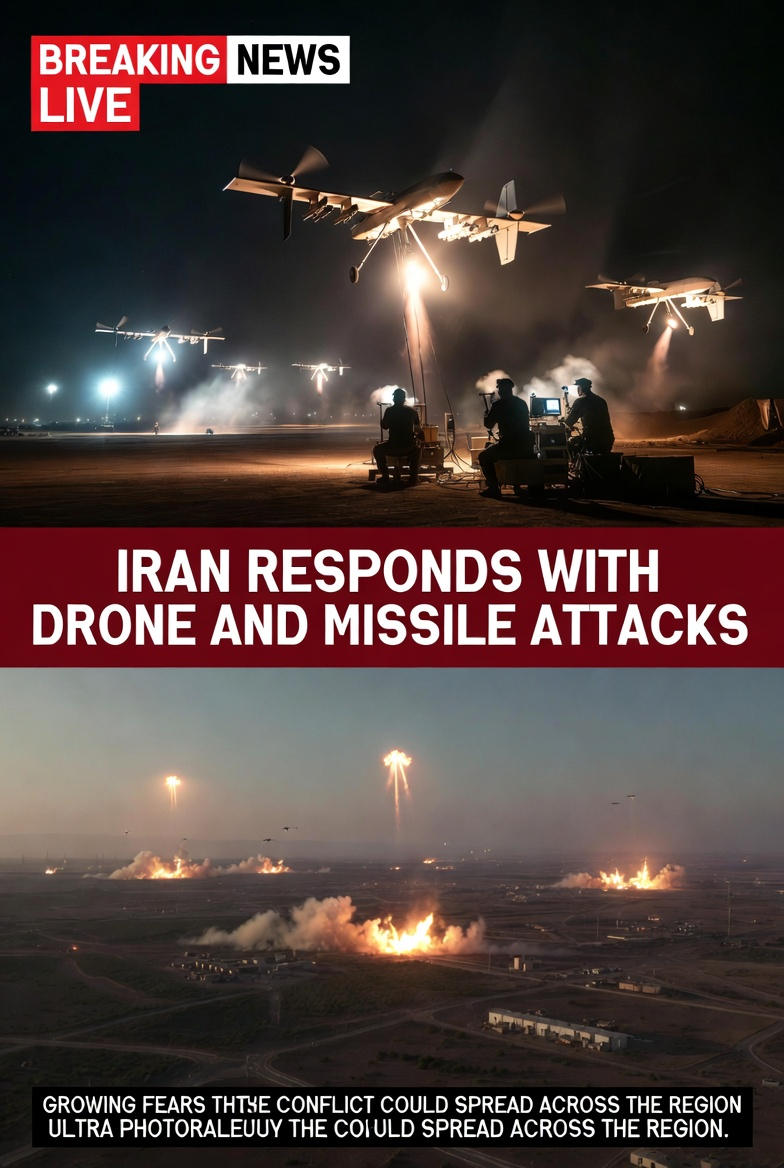
The military confrontation between the United States and Iran has escalated sharply across the Middle East, as coordinated U.S. and Israeli operations against Iranian targets triggered retaliatory missile and drone attacks by Tehran, raising fears of a broader regional war. Officials and analysts warn that the fighting is no longer a limited exchange but part of a widening conflict that is already disrupting energy markets, maritime security and regional stability.
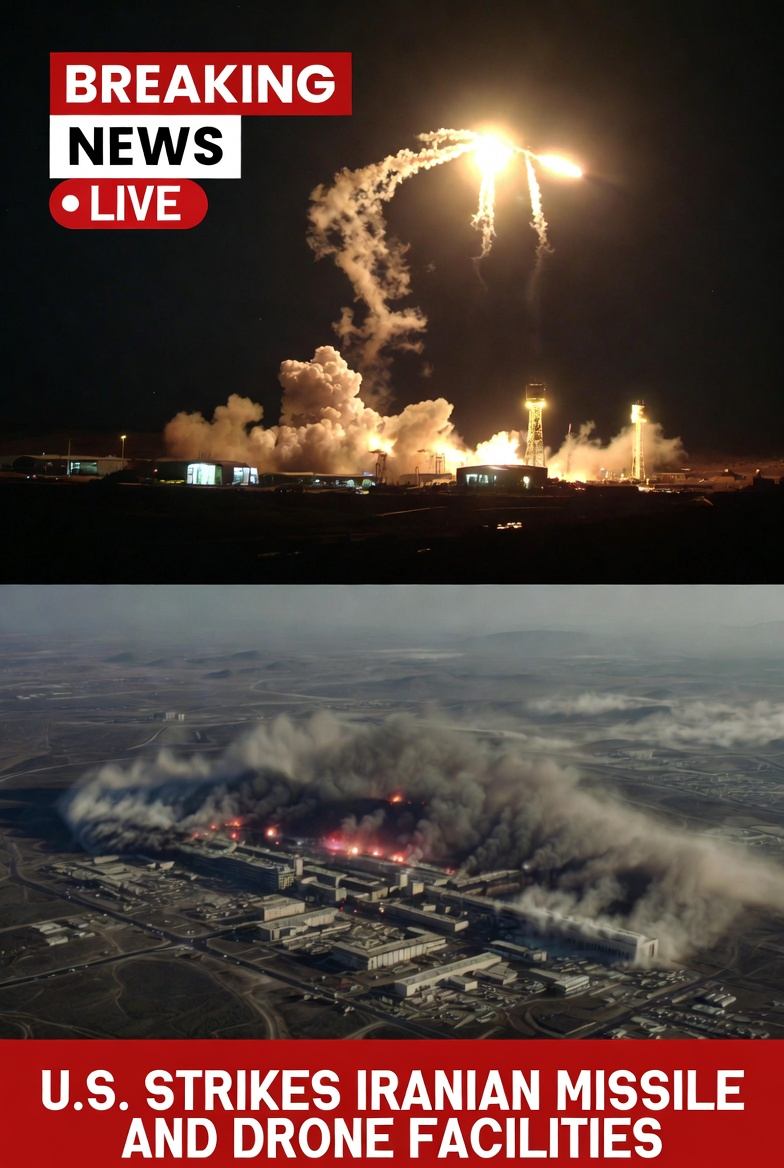
In recent days, U.S. and Israeli attacks have struck Iranian military infrastructure, including missile-related capabilities and command networks, as part of a campaign aimed at weakening Tehran’s ability to project force through missiles, drones and regional proxy networks. The conflict, which Reuters says began on February 28, has since intensified into a multi-front crisis stretching from Iran to the Gulf and nearby shipping lanes.
Iran has responded with sustained retaliation. According to Reuters and the Associated Press, Tehran and its aligned forces have launched missile and drone attacks against U.S.-aligned Gulf states, military-linked targets and regional infrastructure, while also threatening a prolonged campaign unless U.S. and Israeli operations stop. Iran’s new Supreme Leader, Mojtaba Khamenei, said in his first public remarks that pressure on U.S. positions in the region would continue and signaled that the Strait of Hormuz would remain a central point of leverage.
The danger has expanded beyond direct battlefield exchanges. Reuters reported that explosive sea drones have targeted oil tankers in Gulf waters, underscoring how the confrontation is threatening one of the world’s most critical energy corridors. The International Energy Agency said the crisis has produced the largest oil supply disruption on record, with millions of barrels per day affected and emergency stockpile releases announced in response. Oil prices have surged, at times pushing above $100 a barrel, while investors fear deeper economic fallout if attacks on shipping continue.
Regional governments are increasingly alarmed. The United Arab Emirates has publicly called for de-escalation and renewed diplomacy, warning that continued strikes risk dragging neighboring states further into the conflict. Russia has also urged the United States and Israel to halt military action and return to negotiations, citing the humanitarian toll inside Iran and the growing risk of a wider Middle East war.
Inside Iran, the war has had both political and human consequences. Reuters and AP report that the conflict followed leadership upheaval after the death of Ayatollah Ali Khamenei in earlier strikes, with Mojtaba Khamenei emerging as the country’s new supreme leader. Tehran has tightened domestic security, announced arrests on alleged espionage charges and vowed to continue resisting what it describes as a joint U.S.-Israeli assault. Meanwhile, displacement, infrastructure damage and pressure on civilians are mounting. UNESCO has also raised concern over reported damage to historic sites during the bombing campaign.
The broader strategic concern is that neither side appears ready to back down. Iranian officials are signaling a war of endurance, while Washington has shown little indication that it intends to halt operations quickly. Reuters reported this week that even as some U.S. rhetoric suggested optimism about the conflict’s trajectory, battlefield developments and continuing attacks on shipping indicate no immediate end is in sight.
For the Middle East, the implications are severe. What began as strikes on military assets has evolved into a conflict with direct consequences for oil flows, civilian safety, regional alliances and global markets. Unless a diplomatic channel opens soon, analysts say the confrontation could deepen further, drawing in more states and turning an already volatile crisis into a prolonged regional war.
