Casualties Rise in “Operation Epic Fury” as Iranian Missile Strikes Hit Tel Aviv
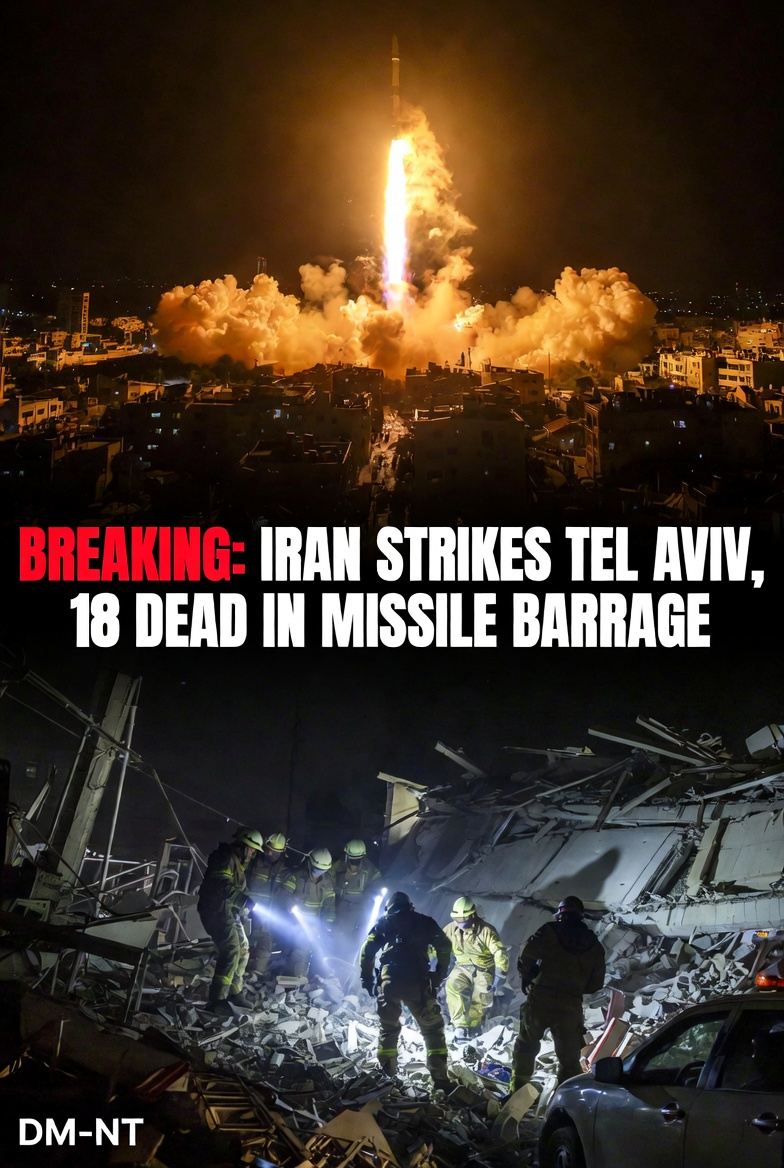
Casualties among U.S. and Israeli forces have increased as the military campaign known as “Operation Epic Fury” continues to intensify, according to newly released figures from the Pentagon and Israeli authorities. U.S. defense officials confirmed that at least 150 American service members have been wounded and seven killed since the operation began, while Israel reported 18 deaths—including both soldiers and civilians—following Iranian missile strikes on Tel Aviv overnight.
The Pentagon released the updated casualty figures during a briefing on the evolving situation in the Middle East. Officials said the injuries to U.S. personnel occurred across several operational areas linked to the ongoing campaign against Iranian military infrastructure and allied forces in the region. While many of the wounded troops are expected to recover, several required evacuation to regional military medical facilities for treatment.
“This is a serious reminder of the risks our forces face during active operations,” a U.S. defense official said, noting that casualty numbers could change as the situation develops.
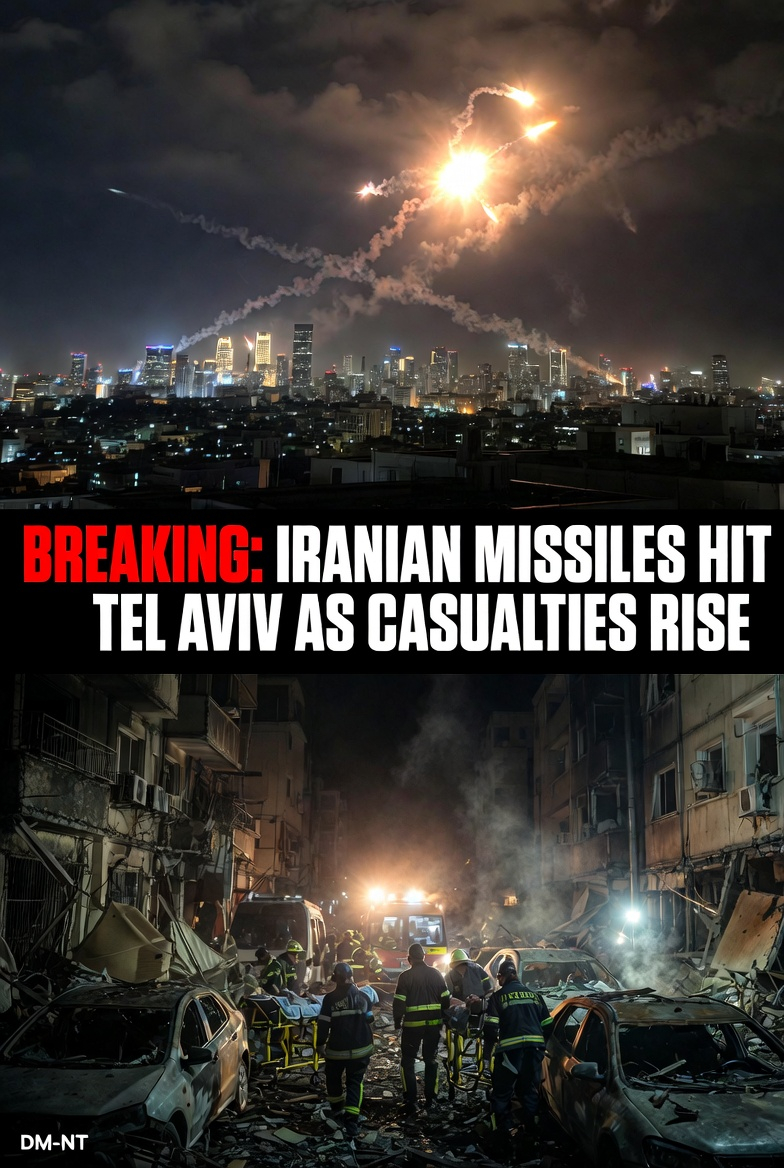
Meanwhile, Israeli authorities reported that Iran launched a series of missile strikes targeting the Tel Aviv metropolitan area during the night. Israel’s multi-layered air defense systems were activated to intercept the incoming projectiles, but several missiles managed to penetrate the defensive shield and strike urban areas.
Emergency services in Tel Aviv worked through the night to rescue victims and assess damage in affected neighborhoods. Images from the scene showed damaged buildings, debris scattered across streets, and rescue teams searching through rubble. Israeli officials confirmed that at least 18 people were killed in the attacks, with additional injuries reported.
Israeli defense officials said the missile barrages represented one of the most intense direct attacks by Iran on the country in recent months. Authorities did not immediately provide a breakdown of how many of the victims were civilians versus military personnel but said investigations into the strikes were ongoing.
The escalation comes amid a broader military campaign that has seen increasing direct confrontation between Iranian forces and U.S. and Israeli military assets across the region. Operation Epic Fury, according to U.S. officials, involves coordinated military operations designed to disrupt Iranian missile production, drone facilities, and logistical networks believed to support regional attacks.
Defense analysts say that despite Israel’s advanced missile defense systems, including interceptor technologies designed to protect major population centers, large-scale missile barrages can still pose a threat when multiple projectiles are launched simultaneously.
“Even the most advanced air defense systems have limitations,” said one regional security analyst. “If enough missiles are launched at once, some are likely to get through.”
International reaction to the escalating conflict has been swift. Several governments have expressed concern about the growing casualty toll and the risk of a wider regional conflict. Diplomatic officials from multiple countries have called for restraint and urged all parties to avoid further escalation.
The conflict is unfolding against a complex geopolitical backdrop that has long defined relations between Iran and Israel. The two countries have been strategic adversaries for decades, frequently accusing each other of cyber operations, covert sabotage, and proxy warfare throughout the Middle East.
In recent years, tensions have periodically escalated into direct military exchanges, particularly as Iran has expanded its missile and drone capabilities and Israel has increased efforts to counter perceived threats to its national security.
The United States has remained a key ally of Israel and has maintained a significant military presence across the region. U.S. forces have frequently participated in joint defense operations and strategic coordination aimed at deterring regional threats.
Security experts say the rising casualty figures in Operation Epic Fury highlight the growing intensity of the confrontation and the increasing risks for both military personnel and civilians.
For now, military operations appear likely to continue as both sides assess their next steps. Officials in Washington and Jerusalem have indicated that they remain focused on maintaining defensive readiness while pursuing broader strategic objectives.
However, with casualties rising and missile attacks continuing, many observers warn that the situation could become increasingly volatile if diplomatic efforts fail to slow the escalation. International leaders are expected to continue monitoring the conflict closely as the region navigates what could become a critical phase in an already fragile security landscape.
