“Black Rain” Phenomenon Plunges Iran into Unprecedented Ecological and Health Crisis Following Massive Airstrikes
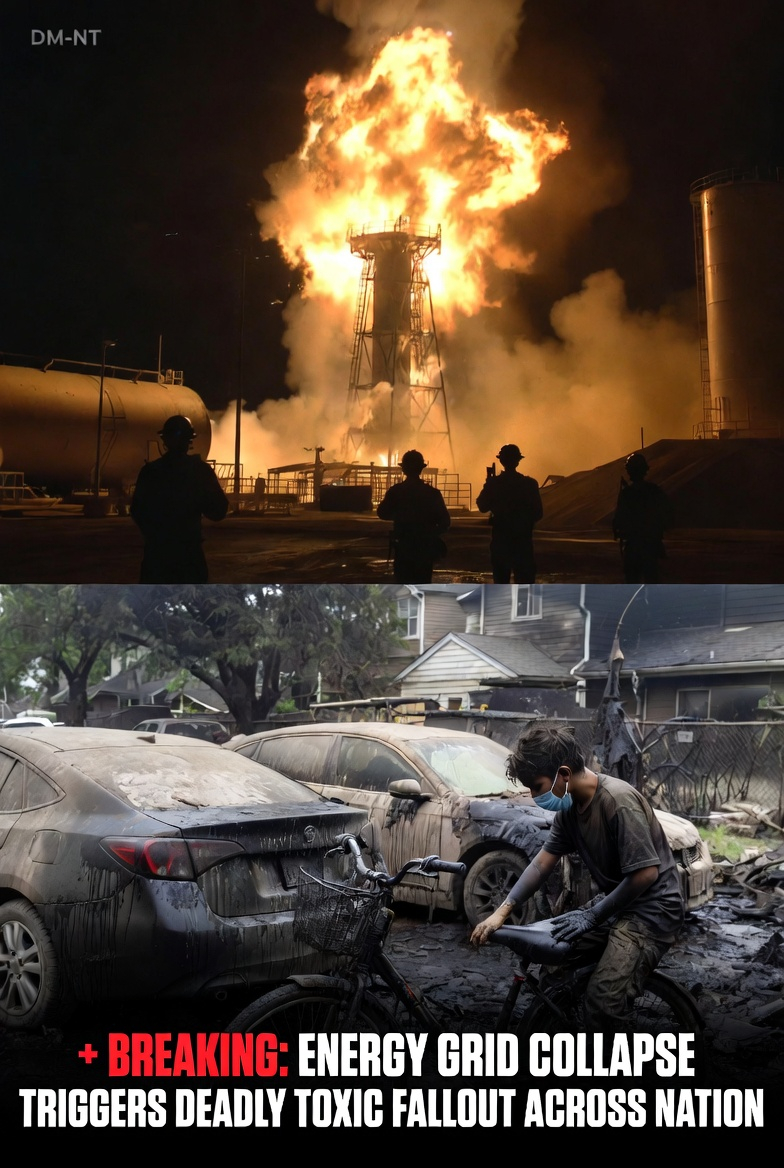
TEHRAN / GENEVA — As the relentless bombardment from the joint US-Israeli offensive continues to ravage the Middle East, a terrifying secondary crisis has emerged from the ashes of Iran’s decimated infrastructure. Following the systematic destruction of the nation’s major oil refineries, petroleum reserves, and energy grids, vast regions of Iran are now experiencing an apocalyptic environmental disaster: the fall of toxic “black rain.”
The phenomenon, triggered by the incineration of millions of barrels of crude oil and hazardous chemical stockpiles, has cast a dark, suffocating pall over several major Iranian cities, including the capital, Tehran. Plumes of thick, acrid smoke have risen miles into the stratosphere, blocking out the sun and turning day into a dystopian twilight. As atmospheric moisture mixes with the immense volume of airborne soot, pulverized concrete, and unburned hydrocarbons, it is precipitating back to earth as a viscous, tar-like sludge.
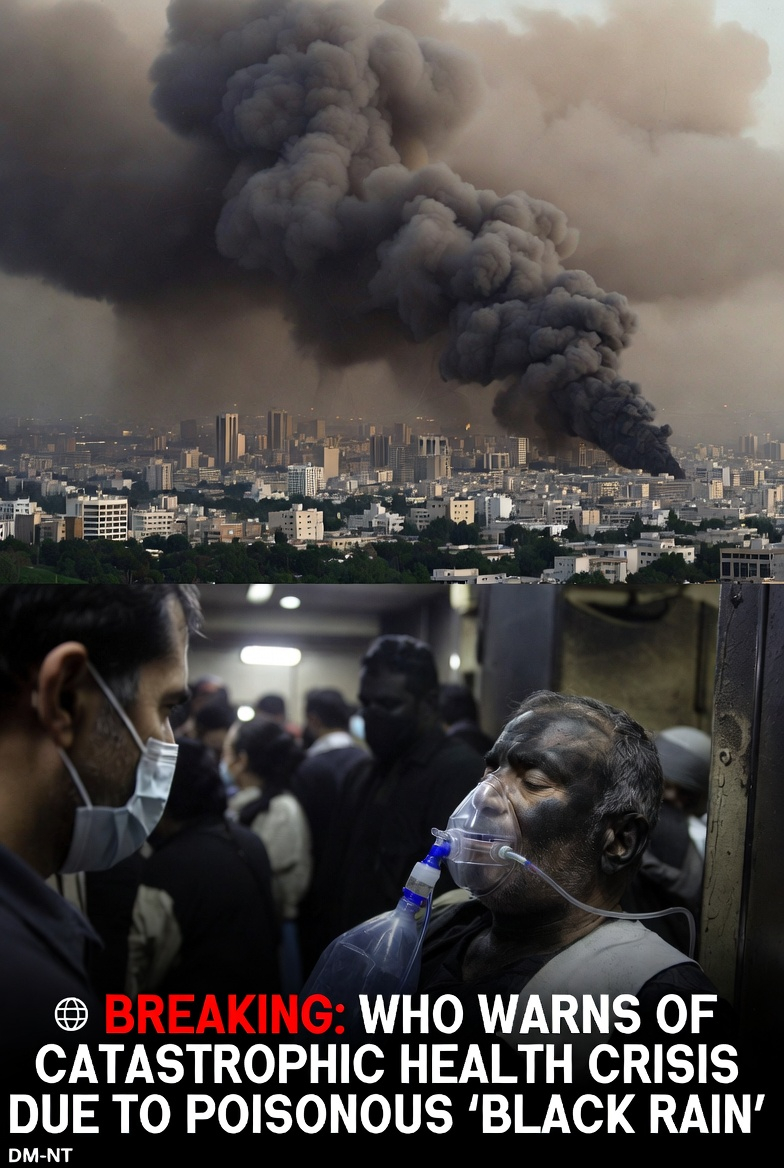
The World Health Organization (WHO) and international environmental agencies have issued their highest level of alert, warning that this man-made ecological catastrophe poses an immediate and severe threat to millions of civilians already caught in the crossfire of “Operation Furious Wrath.”
“We are witnessing an environmental and public health nightmare unfolding in real-time,” a senior spokesperson for the WHO stated during an emergency press briefing in Geneva on Wednesday. “This ‘black rain’ is highly toxic. It contains a lethal cocktail of heavy metals, volatile organic compounds, and known carcinogens. Direct exposure to this precipitation, or inhalation of the accompanying smog, can lead to acute respiratory failure, severe skin burns, and long-term systemic poisoning.”
On the ground, the reality is harrowing. Eyewitness reports and verified footage smuggled out of the country show streets, vehicles, and residential buildings coated in a thick, sticky layer of black grime. Citizens, many of whom have been displaced by the ongoing military strikes, are forced to navigate the contaminated environment with whatever makeshift protection they can find. Surgical masks, originally worn to protect against the dust of collapsed buildings, are rapidly turning black from the airborne oil particles.
Hospitals across the affected provinces, already pushed to the brink of collapse by the influx of casualties from the bombings, are now being overwhelmed by a second wave of patients. Emergency rooms are flooded with civilians—particularly children and the elderly—suffering from severe asthma attacks, chemical pneumonitis, and eye injuries caused by the toxic downpour. Medical supplies, including oxygen tanks and respiratory therapeutics, are critically depleted.
Beyond the immediate human toll, experts warn of irreversible ecological damage. The poisonous runoff is rapidly contaminating Iran’s already fragile water supply networks and seeping into agricultural lands. Environmental scientists fear that the heavy metals and toxic compounds infiltrating the soil will render vast tracts of farmland barren for generations, virtually guaranteeing a long-term famine and water security crisis even if the hostilities were to cease immediately.
International humanitarian organizations are pleading for an immediate ceasefire to allow for the deployment of specialized hazardous material (HAZMAT) response teams and the delivery of clean drinking water and respiratory equipment. However, with the skies still heavily contested and the military campaign showing no signs of de-escalation, establishing humanitarian corridors has proven impossible.
As the toxic clouds continue to spread, potentially threatening neighboring countries in the Persian Gulf, the international community is left to watch in horror. The bombardment may have targeted military and energy infrastructure, but the resulting “black rain” has indiscriminately declared war on the environment and the innocent civilians trapped beneath the blackened skies.
