Historic Glasgow Building Collapses in Massive Blaze, Triggering Widespread Train Chaos
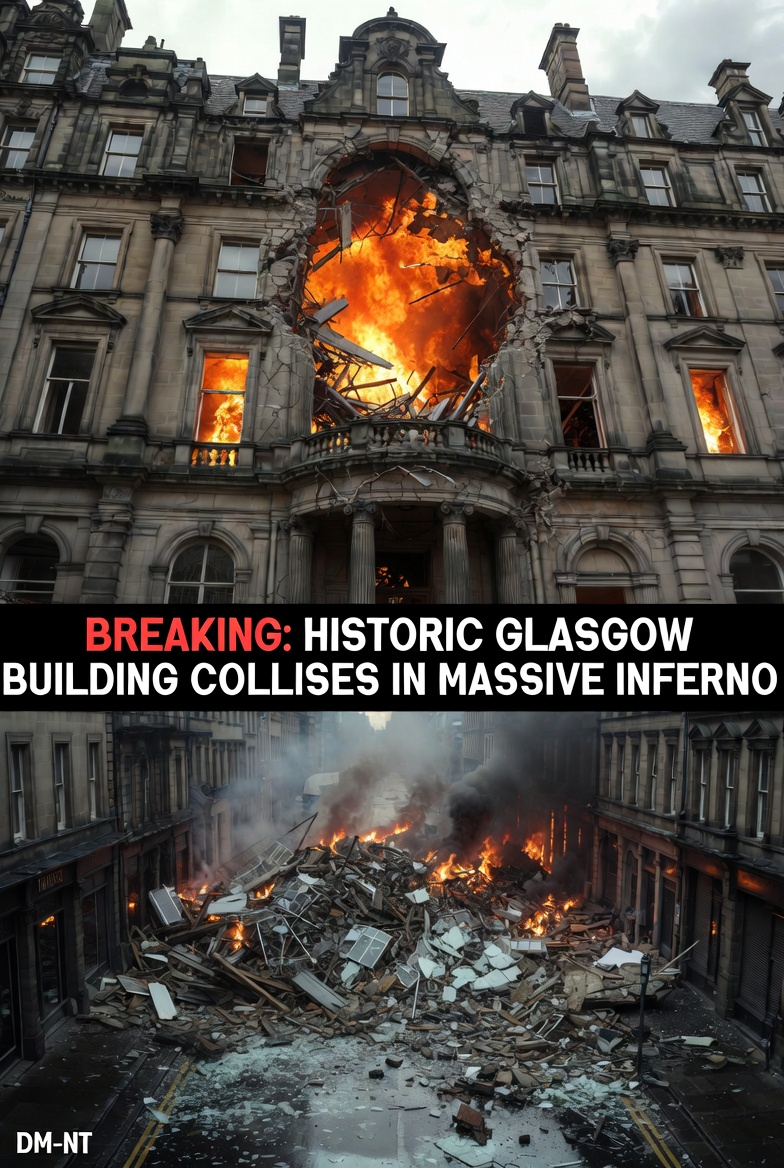
GLASGOW — A devastating fire ripped through the heart of Glasgow on Sunday afternoon, resulting in the partial collapse of a historic 19th-century building and bringing Scotland’s busiest transport hub to a complete standstill. The inferno, which sent thick plumes of black smoke billowing across the city skyline, has prompted a massive emergency response, though authorities have miraculously reported no casualties.
The blaze erupted shortly before 3:45 p.m. local time on Union Street, a major commercial artery in the city centre. Emergency services were inundated with calls as flames quickly engulfed the Forsyth building, an iconic structure dating back to 1851. Initial reports suggest the fire originated in a ground-floor vape shop before rapidly tearing upward through the upper floors of the four-story property. The sheer intensity of the heat and the aggressive spread of the flames ultimately caused a catastrophic structural failure, leading to a partial collapse of the building’s historic masonry into the street below.
The Scottish Fire and Rescue Service launched a full-sca
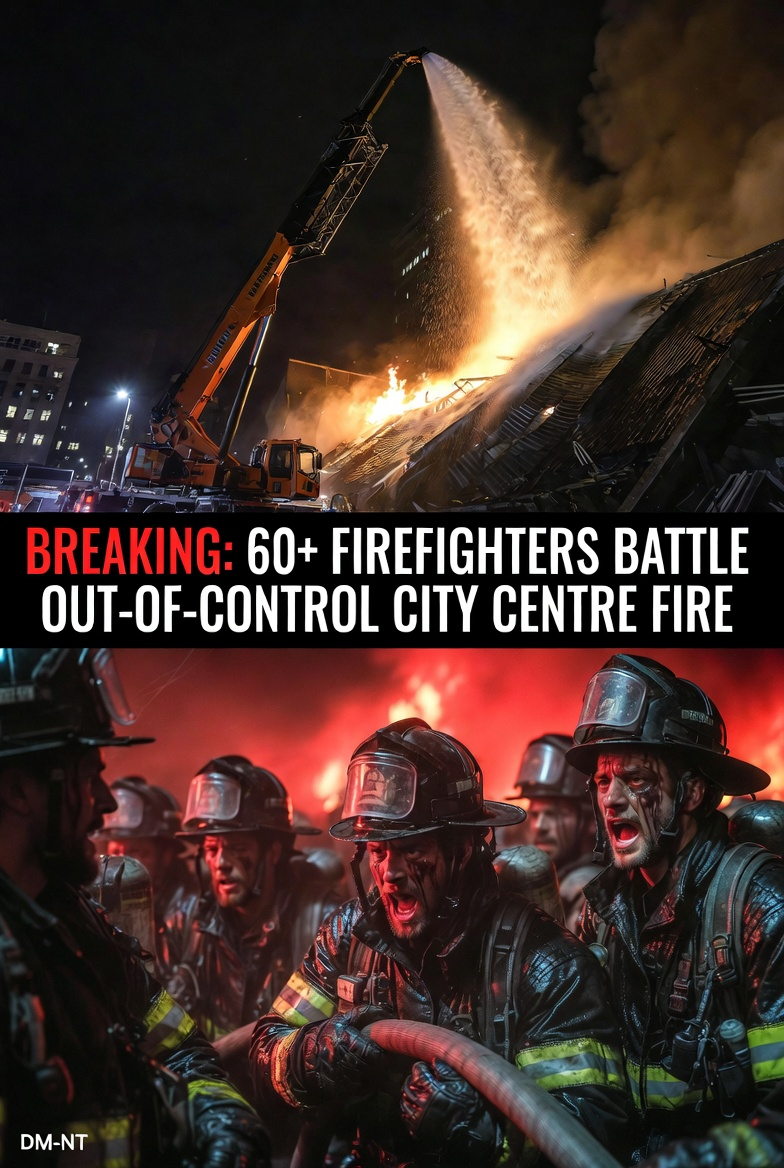
le operation to contain the disaster. At the height of the incident, over 60 firefighters and 18 fire appliances were mobilized to the scene. Specialized high-reach water towers were deployed to douse the flames from above, while crews on the ground battled to prevent the inferno from spreading to adjacent, densely packed commercial properties. Police Scotland immediately established a wide exclusion zone, cordoning off several blocks and urging the public to avoid the area as thick, toxic smoke choked the surrounding streets.
The proximity of the blaze to Glasgow Central Station—located just yards away from the collapsing structure—triggered a secondary crisis. National Rail authorities were forced to order an emergency evacuation and a total shutdown of the station until further notice.
The sudden closure of Scotland’s busiest railway terminus sparked unprecedented travel chaos across the United Kingdom. Tens of thousands of passengers found themselves stranded as dozens of services were abruptly canceled or indefinitely delayed. The disruption severed crucial cross-border routes, freezing travel to major destinations including London Euston, Manchester Airport, and Liverpool, as well as local commuter lines to Edinburgh. Commuters and travelers were strongly advised to abandon plans to travel through the station, with transport officials warning that the severe disruptions would likely extend well into the following days.
Despite the terrifying scale of the destruction, authorities delivered a sigh of relief with the confirmation that there have been no reported injuries or fatalities. Emergency protocols were executed swiftly, ensuring the building and surrounding immediate danger zones were evacuated before the structural integrity failed.
Scottish First Minister John Swinney addressed the ongoing crisis, expressing deep concern over the incident and extending his gratitude to the tireless efforts of the emergency responders. Local Member of Parliament Paul Sweeney also took to social media to mourn the severe damage to the city’s architectural heritage, lamenting the loss of the 170-year-old Forsyth building as a devastating blow to Glasgow’s historic streetscape.
As night fell over Glasgow, fire crews remained on the scene, dampening down hotspots and securing the precarious remnants of the collapsed facade. While the immediate danger of the fire spreading has been mitigated, the city now faces a grueling recovery process. Investigations into the precise cause of the ground-floor ignition will commence once the site is deemed structurally safe to enter. For now, Glasgow is left to grapple with the loss of a historic landmark and the lingering paralysis of its central transport network.
