The Drone Dilemma: How Cheap Swarms Breached America’s Billion-Dollar Shield
KUWAIT CITY — The devastating attack on Camp Arifjan this week has forced military strategists around the globe to confront a terrifying new reality in modern warfare: the era of uncontested American air supremacy may be facing its most significant challenge yet. The deaths of at least seven to eight U.S. service members, alongside dozens of wounded personnel, mark a grim milestone in the escalating conflict with Iran. But beyond the tragic human toll, the mechanics of the attack have exposed a critical, systemic vulnerability in Western defense architecture.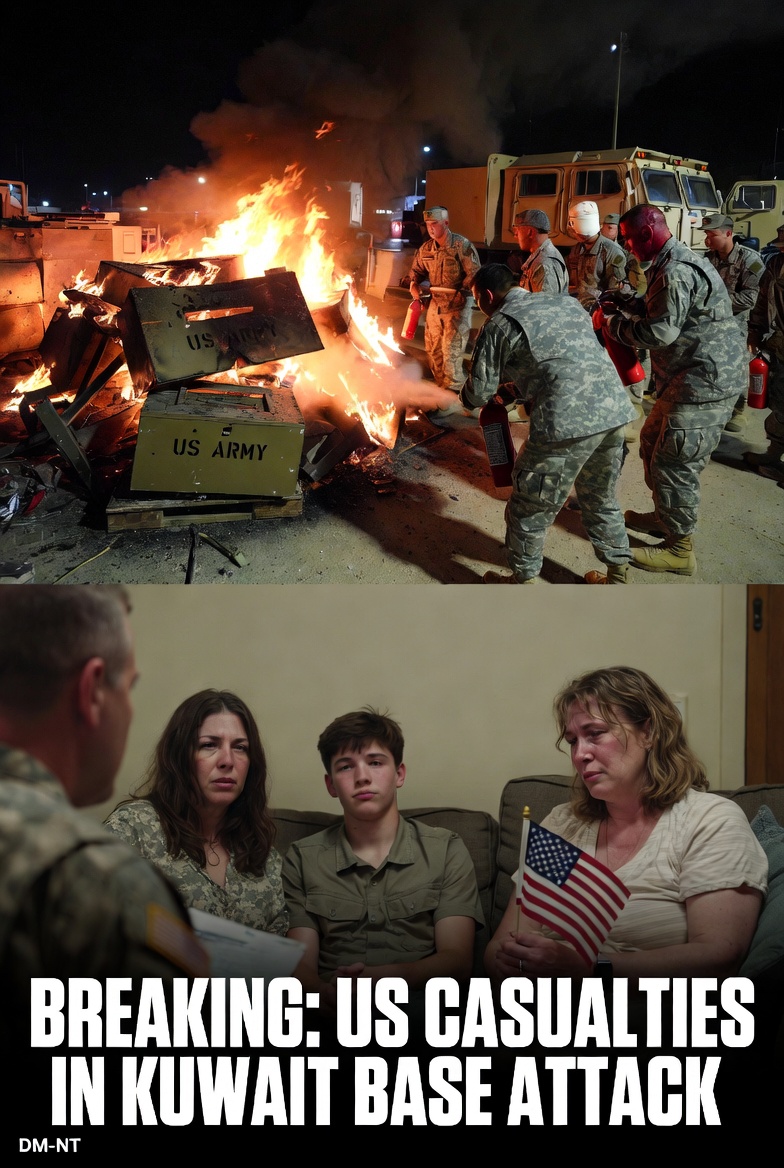
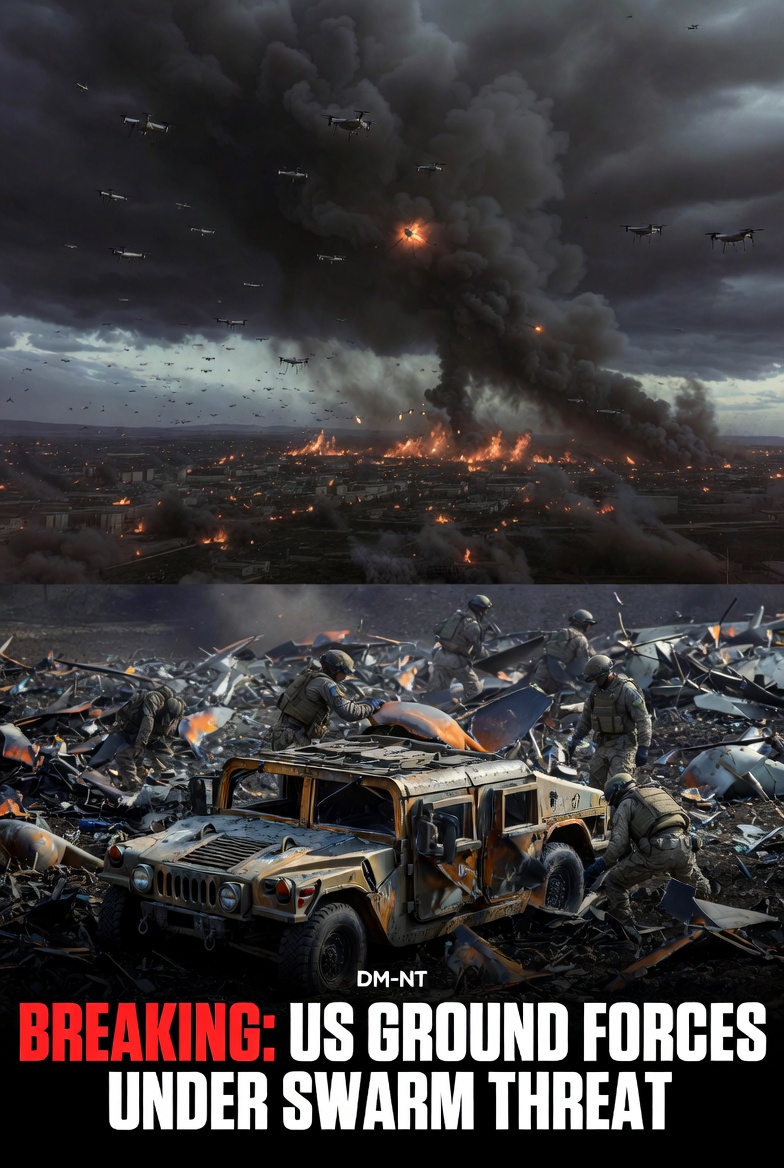
The assault was not carried out by sophisticated stealth bombers or hypersonic missiles, but by a relentless swarm of cheap, mass-produced Iranian kamikaze drones. These unmanned aerial vehicles (UAVs), many costing only a few thousand dollars to manufacture and utilizing commercially available components, were launched in staggering numbers from mobile, modified civilian trucks. Their sheer volume was designed with a single, brutal purpose: to saturate and overwhelm.
For decades, the United States has relied on multi-billion-dollar defense umbrellas, most notably the Patriot missile system, to protect its assets. However, the economics of this current conflict are highly asymmetrical. Washington is now burning through an estimated $900 million to $1 billion a day firing highly advanced, multi-million-dollar interceptors at expendable drones. While the Patriot systems successfully downed dozens of incoming threats, they simply could not reload fast enough to stop the entire swarm.
The aftermath at the Kuwait logistics hub was apocalyptic. Ground forces found themselves exposed as explosive UAVs bypassed the exhausted air defenses, turning armored Humvees into twisted scrap metal and igniting massive fires in supply warehouses. Medevac helicopters worked tirelessly through the night, their red crosses illuminated by the glow of burning infrastructure, airlifting the wounded from a base whose entrance sign was left riddled with shrapnel.
This tragic event serves as a harrowing wake-up call. The Pentagon is now scrambling to develop cost-effective, directed-energy weapons and advanced electronic warfare countermeasures. Until a sustainable solution is deployed, U.S. ground forces remain under the constant, nerve-wracking threat of the swarm.
