U.S. Domestic Backlash Grows: Senators Fear ‘Boots on the Ground’ in Iran War, Question Trump’s Objectives
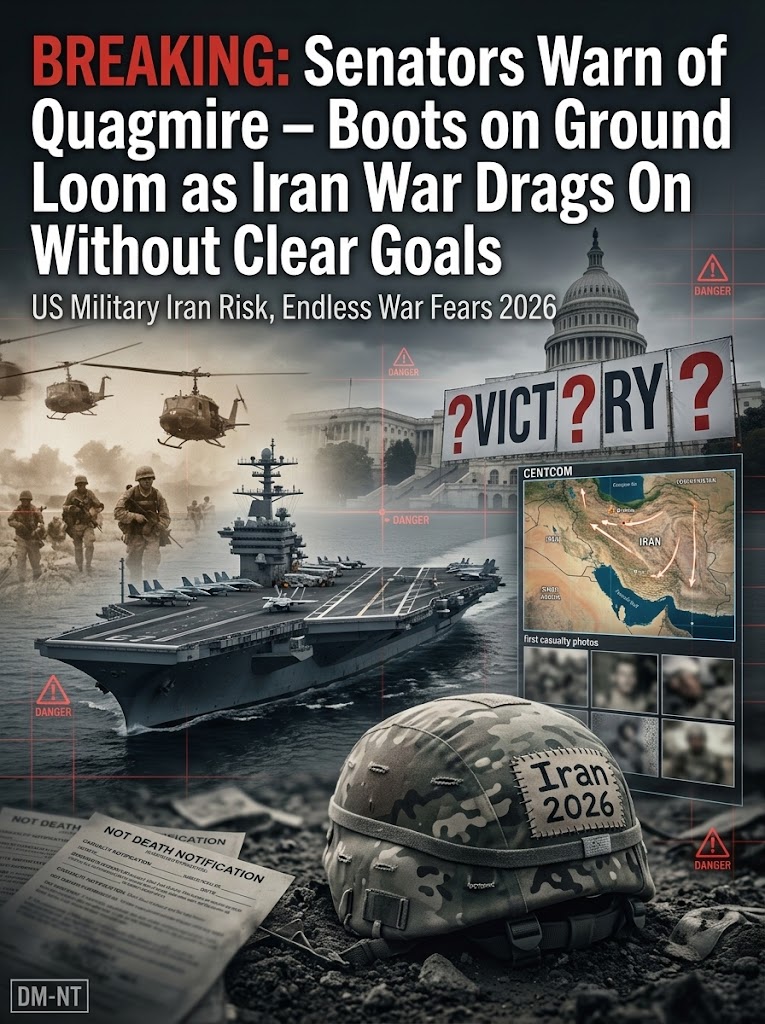
Washington, March 4, 2026 – As the U.S.-Israeli war with Iran enters its sixth day, domestic political tensions in Washington are mounting, with Democratic senators emerging as vocal critics following classified briefings on the conflict. Lawmakers warn that the Trump administration’s strategy lacks defined endgames, raising alarms over potential escalation to U.S. ground troops—”boots on the ground”—and a prolonged, costly entanglement reminiscent of past Middle East quagmires.
In a closed-door Senate briefing late March 3, administration officials detailed Operation “Epic Fury,” emphasizing degraded Iranian air defenses, destroyed missile stockpiles, and the elimination of Supreme Leader Ayatollah Ali Khamenei as early successes. However, Democratic senators expressed deep concern over the absence of a clear exit strategy or measurable victory criteria. “We were told the campaign is ‘ahead of schedule,’ but ahead to what?” one senator remarked anonymously post-briefing. “No one outlined how this ends without American soldiers on Iranian soil.” Several referenced historical parallels to Iraq and Afghanistan, fearing mission creep as Iranian proxies retaliate across the region.
President Donald Trump has offered shifting justifications: initially framing strikes as preemptive against an imminent Iranian attack, then pivoting to regime change and nuclear prevention after Khamenei’s death. Secretary of State Marco Rubio has emphasized diplomatic leverage for renewed nuclear talks, claiming military pressure makes negotiations “much easier.” These competing narratives have fueled confusion, with Trump dismissing diplomacy as premature while Rubio hints at post-conflict engagement. Public opinion remains divided—polls show majority skepticism toward the war, including among some MAGA supporters who question involvement in another “endless war” abroad.
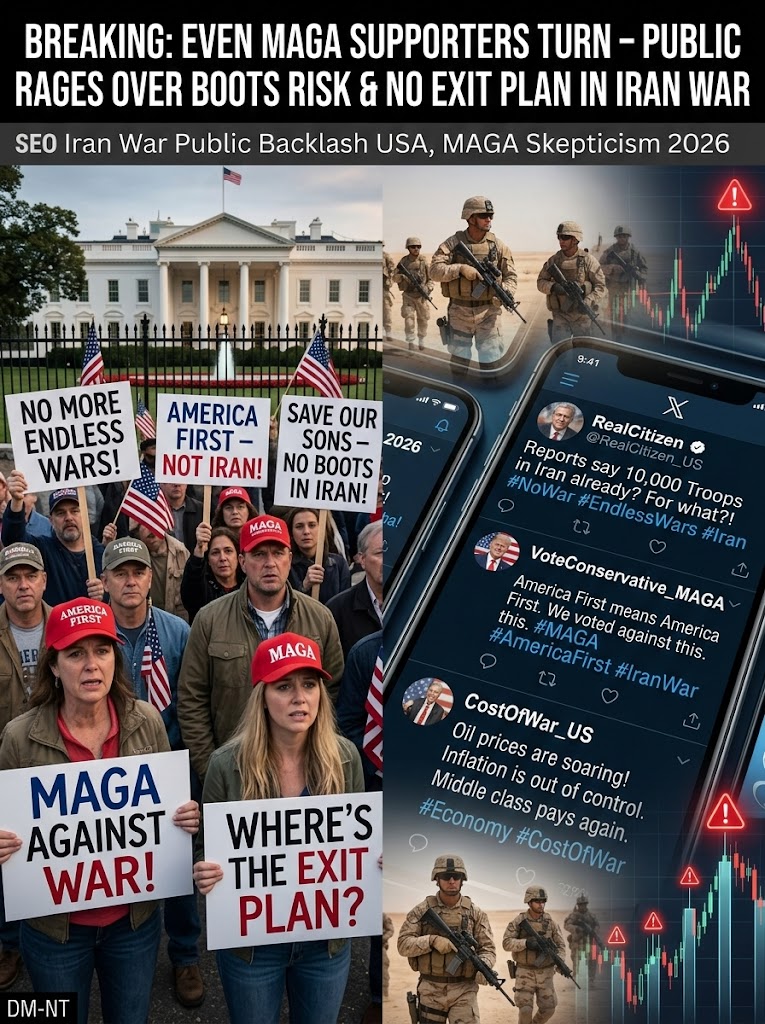
Republican hawks defend the operation, arguing U.S. air and naval superiority (200 jets, two carriers, 50,000 troops engaged) minimizes ground risks. CENTCOM Admiral Brad Cooper described 24/7 strikes “from seabed to space,” asserting Iran’s air force and navy are “knocked out.” Yet critics highlight first U.S. casualties (at least four soldiers identified in Gulf attacks) and embassy closures in Kuwait, Lebanon, and Saudi Arabia as signs of broadening threats.
Nuances include internal GOP divisions: isolationist voices echo public fatigue, while neoconservatives push for decisive action. Broader implications involve congressional oversight—some Democrats call for War Powers Resolution debates—amid economic fallout from soaring oil prices and market slides. Evacuation challenges for stranded Americans add domestic pressure.
The debate underscores war’s political volatility: success could bolster Trump’s image as a strong leader, but escalation or stalemate risks alienating his base and energizing opposition. As strikes intensify and Iran prepares Khamenei’s funeral (with Mojtaba Khamenei emerging as a potential successor), U.S. leaders grapple with defining “victory” before public support erodes further. The coming weeks will test whether military momentum translates to political consensus—or exposes fractures in America’s approach to the Middle East crisis.
