Iran’s Nuclear Program Under Fire: Strikes Target Facilities, But IAEA Reports No Major Damage Amid Conflicting Claims
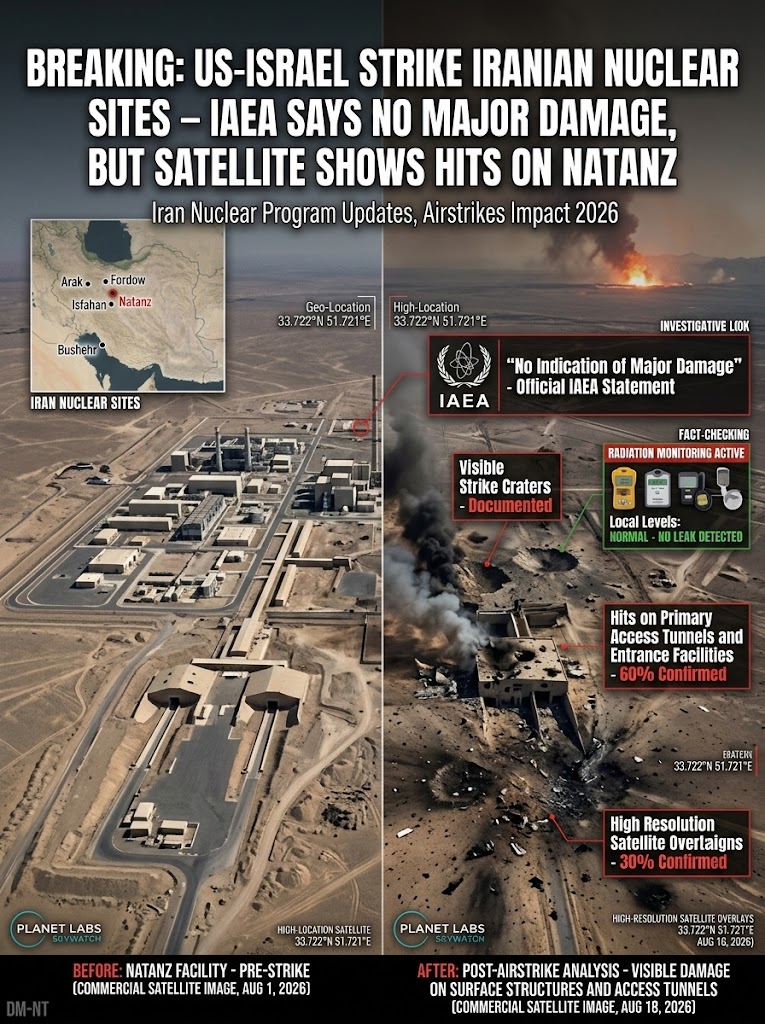
Vienna/Tehran/Washington, March 4, 2026 – As the US-Israeli military campaign against Iran enters its sixth day, attention has intensified on the fate of Tehran’s nuclear program—one of the primary stated rationales for the operation. US President Donald Trump and Israeli officials have repeatedly asserted that strikes are degrading Iran’s nuclear capabilities to prevent weaponization, yet the International Atomic Energy Agency (IAEA) maintains it has “no indication” of significant damage to key installations, highlighting discrepancies in battlefield assessments and raising questions about long-term proliferation risks.
The joint campaign, launched February 28 following Supreme Leader Ayatollah Ali Khamenei’s assassination, explicitly targeted nuclear-related sites alongside leadership, missile bases, and air defenses. CENTCOM and IDF statements describe precision strikes on enrichment facilities (e.g., Natanz and Fordow), research centers, and centrifuge production sites, claiming substantial setbacks to Iran’s breakout timeline—the period needed to produce weapons-grade uranium for a bomb. Trump has reiterated that prior 2025 strikes “obliterated” much of the program, positioning the current operation as a decisive follow-up to enforce “total prevention” of an Iranian nuclear weapon.
However, IAEA Director General Rafael Grossi stated on March 2 that agency monitoring shows “no indication that any of the nuclear installations have been damaged or hit” in verifiable ways, based on safeguards data and remote sensing. Iran counters this by claiming at least one site (reportedly near Natanz) sustained limited damage, while accusing the West of misinformation. Pre-conflict IAEA reports had already noted Iran’s stockpile of highly enriched uranium nearing weapons-grade levels, with breakout estimates as short as weeks in worst-case scenarios—though agency access remains restricted since 2025 inspections lapsed.
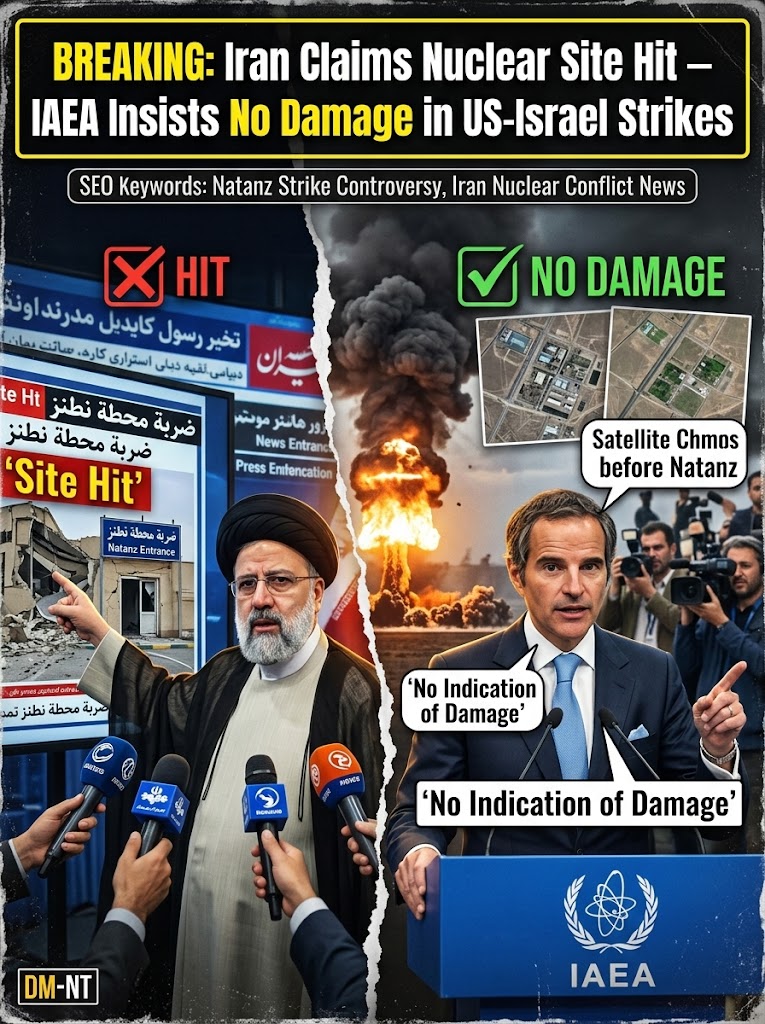
Nuances abound: US-Israeli strikes appear focused on surface and near-surface infrastructure, potentially sparing deeply buried facilities like Fordow, which are designed to withstand conventional attacks. Analysts suggest this could delay but not eliminate Iran’s program; surviving expertise, covert stockpiles, and proxy support might accelerate reconstitution post-conflict. Hardliners in Tehran, empowered by the leadership vacuum, could interpret survival as justification for weapon pursuit, shifting from “threshold” to overt breakout.
Diplomatic implications are stark. Trump has floated “much easier” renewed talks due to military leverage, but Iran’s suspension of negotiations and vows of “ferocious” retaliation make progress unlikely. Regional actors worry about proliferation cascades—Saudi Arabia and others might accelerate their own programs if Iran advances unchecked. Global powers, including China and Russia (Iran’s suppliers), express concern over escalation, while European states urge IAEA access restoration.
The nuclear dimension underscores the war’s high stakes: a degraded but resilient program risks prolonged instability, while perceived regime-change success could reshape Middle East deterrence. As strikes continue, the true impact on Iran’s nuclear ambitions remains uncertain—potentially buying time for diplomacy or igniting a more dangerous arms race. The coming weeks will test whether military pressure forces concessions or hardens Tehran’s resolve toward the bomb.
