Iranians stunned by historical turning point
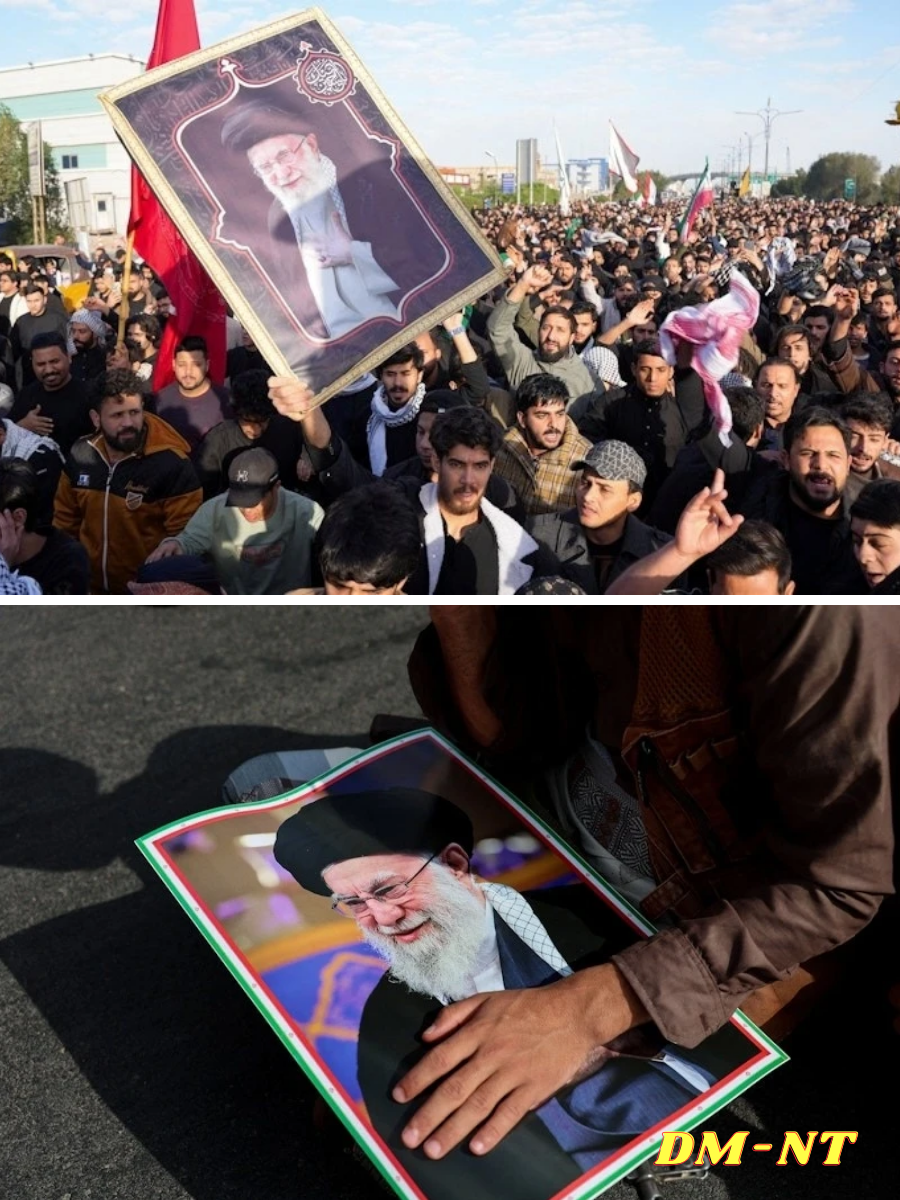
A sense of disbelief gripped the capital Tehran as Iran entered a period of uncertainty following the death of Supreme Leader Ayatollah Ali Khamenei in attacks carried out by the US and Israel.
Tehran stunned after the death of the Supreme Leader
A sense of shock spread throughout Tehran on March 1st as people began to confront a new reality: Ayatollah Ali Khamenei, Iran’s Supreme Leader for decades, had been killed in airstrikes by the US and Israel.
According to Iranian state media, Khamenei, 86, died in the attack that took place in the early morning of February 28th. His death marks a major turning point in the political history of the Islamic Republic, where he had served as supreme leader since 1989, following the death of the regime’s founder, Ayatollah Ruhollah Khomeini.
In Tehran and several other cities, many people took to the streets to commemorate the deceased leader, waving Iranian flags and holding up portraits of Khamenei.
Meanwhile, airstrikes continued into midday on March 1, creating a tense atmosphere in the streets.
Explosions from the attacks echoed through the heart of the capital, as people tried to follow the situation as it unfolded hourly.
“It’s surreal,” Azim, a 39-year-old man living in Karaj, a city west of Tehran, told Reuters. “Imagine your country being attacked and everything changing in a very short time.”
