Buried for 2,600 Years: The Silver Scroll That Defies Religious History and Shakes the World
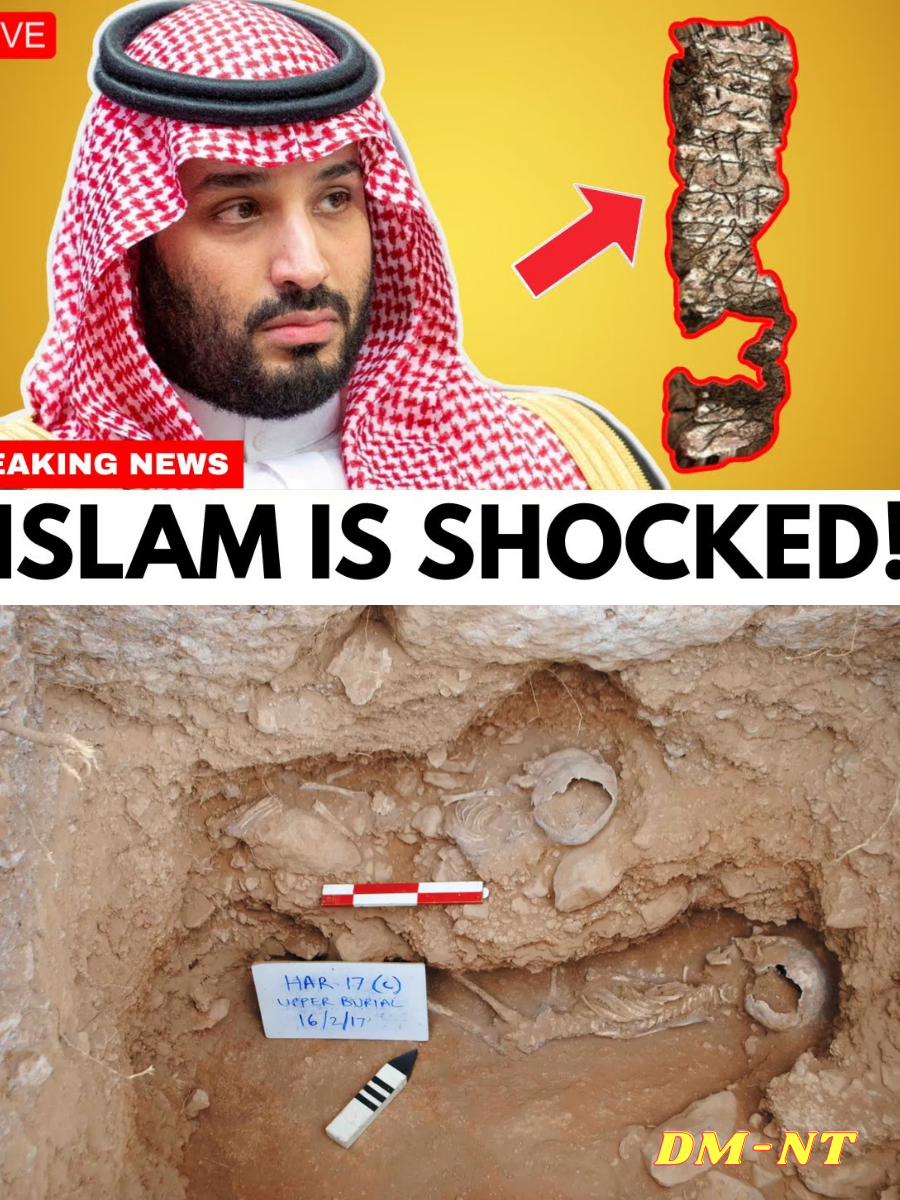
Buried for 2,600 Years: The Silver Scroll That Defies Religious History and Shakes the World
In the shadow of Jerusalem’s ancient walls lies the valley of Hinnom, a place steeped in scripture and memory.
During the era of the First Temple, families carved burial chambers into limestone, sealing their dead—and their secrets—away from the world.
For centuries, these tombs remained undisturbed, preserving treasures that would one day challenge modern assumptions.
In 1979, what began as a routine educational excavation led by Israeli archaeologist Professor Gabriel Barkay took a dramatic turn.
Among the students was a curious 12-year-old boy whose hammer struck a fragile limestone panel, revealing a sealed burial repository dating back to around 600 BC.
Inside lay pottery, bones, jewelry—and two tiny silver scrolls no larger than fingernails.
Initially overlooked, these crushed silver cylinders soon revealed their profound significance.
Transported to the Israel Museum, specialists painstakingly worked for three years to unroll and preserve the delicate metal.
Under microscopes and with chemical treatments, ancient Hebrew letters emerged, engraved with precision and care.
The inscriptions contained a sacred blessing from the Book of Numbers (6:24-26), known as the Priestly Blessing: “The Lord bless you and keep you; The Lord make his face shine upon you and be gracious to you; The Lord lift up his countenance upon you and give you peace.”
