U.S. and Israeli Casualties Mount in “Operation Epic Fury” After Iranian Missile Strike on Tel Aviv
- DucMinh
- March 12, 2026
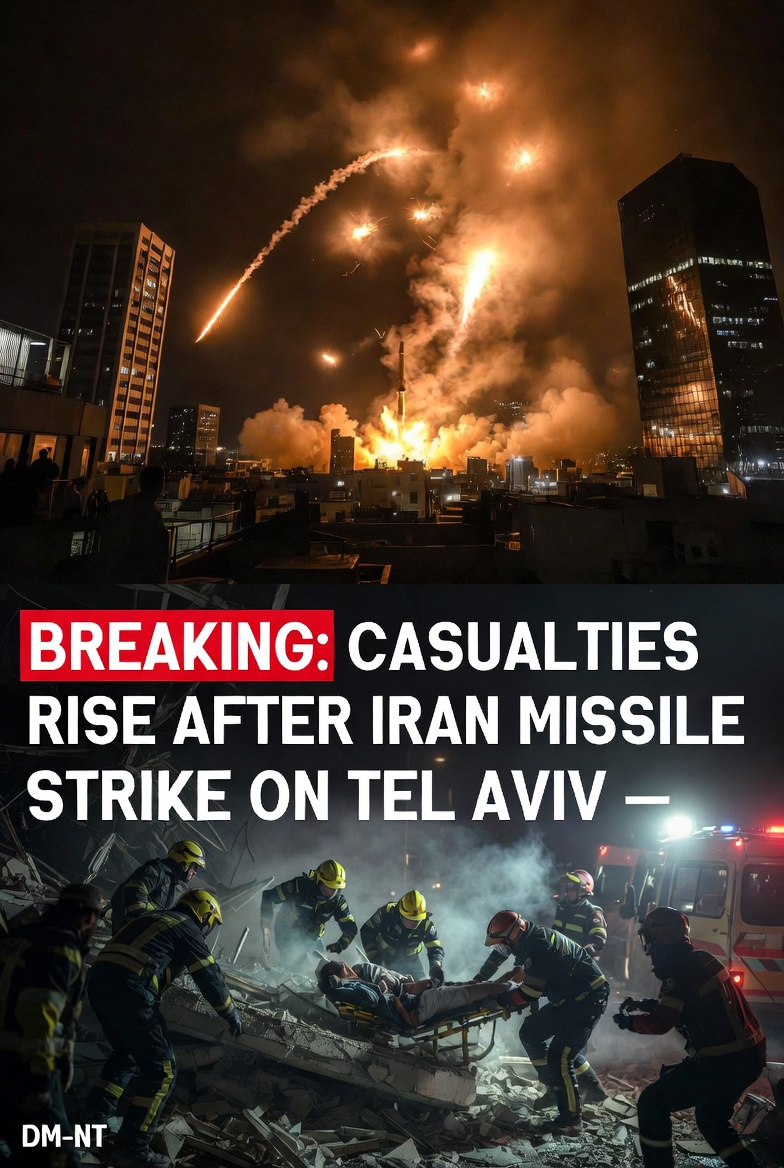
Casualties among U.S. and Israeli forces have risen sharply as the military campaign known as “Operation Epic Fury” continues to intensify across the Middle East. The Pentagon confirmed that at least 150 American service members have been wounded and seven killed since the operation began, while Israeli authorities reported 18 deaths—including both civilians and military personnel—following a wave of Iranian missile strikes targeting Tel Aviv overnight.
The latest casualty figures were released during a Pentagon briefing as officials provided updates on the ongoing military campaign and regional security situation. U.S. defense officials said the injuries among American troops occurred in various operational zones connected to coalition military activities in the region. While many of the wounded personnel are expected to recover, several required evacuation to military medical facilities for advanced treatment.
“This remains an active operational environment,” a senior U.S. defense official said during the briefing. “Our forces continue to operate under challenging conditions, and the safety of our personnel remains a top priority.”
At the same time, Israeli authorities confirmed that Iran launched a series of missile barrages targeting the Tel Aviv metropolitan area late the previous night. Air raid sirens sounded across much of central Israel as the country’s missile defense systems attempted to intercept incoming projectiles.
Israeli defense officials reported that many of the missiles were successfully intercepted by the country’s multilayered air defense network. However, several projectiles managed to bypass the defensive shield and strike urban areas, causing explosions and significant damage in parts of Tel Aviv.
Emergency services responded rapidly to the attack, deploying rescue teams, firefighters, and medical personnel across affected neighborhoods. Images from the scene showed damaged buildings, shattered windows, and debris scattered across streets as emergency crews searched for survivors in the aftermath of the strikes.
Israeli officials said the 18 confirmed fatalities included both civilians and military personnel, though authorities have not yet released a detailed breakdown of the victims. Hospitals in the region were placed on emergency alert while medical teams treated those injured in the attacks.
The missile barrage represents one of the most direct and deadly Iranian strikes on Israeli territory in recent months. Israeli military officials have not publicly disclosed the total number of missiles launched but described the attack as a coordinated effort involving multiple projectiles fired in rapid succession.
Defense analysts note that even advanced missile defense systems can be challenged when facing large-scale barrages. “No air defense system can guarantee a 100 percent interception rate,” said one regional security analyst. “When multiple missiles are launched simultaneously, the risk of some reaching their targets increases.”
The escalating casualty numbers highlight the growing intensity of Operation Epic Fury, a broader military campaign involving coordinated operations by U.S. and allied forces aimed at countering Iranian military capabilities and regional activities.
While officials have not publicly disclosed all operational details, the campaign is believed to include strikes on missile production sites, drone manufacturing facilities, and logistical infrastructure linked to Iranian military operations.
The conflict is unfolding within a complex geopolitical landscape marked by long-standing rivalry between Iran and Israel. The two countries have frequently accused each other of covert attacks, cyber operations, and proxy warfare across the Middle East.
In recent years, tensions between the two adversaries have periodically escalated into direct confrontations, particularly as Iran expanded its missile and drone capabilities and Israel intensified efforts to counter what it views as emerging security threats.
The United States has maintained a strong strategic partnership with Israel and continues to play a central role in regional security coordination. American military forces operate across several Middle Eastern bases and frequently cooperate with allied forces in defensive and strategic operations.
International reaction to the latest developments has been swift. Several governments have expressed concern about the rising casualty toll and the potential for the conflict to expand beyond its current scope. Diplomatic officials from multiple countries have called for restraint and renewed efforts to prevent further escalation.
For now, military operations appear likely to continue as both sides assess their next steps. Analysts say the coming days will be critical in determining whether the conflict stabilizes or intensifies further.
With casualties rising and missile exchanges continuing, global attention remains focused on the evolving situation as governments and international organizations monitor the possibility of broader regional implications.
