Iran Faces Political Turmoil as Succession Process Begins Amid Security Crackdown and External Strikes
- DucMinh
- March 12, 2026
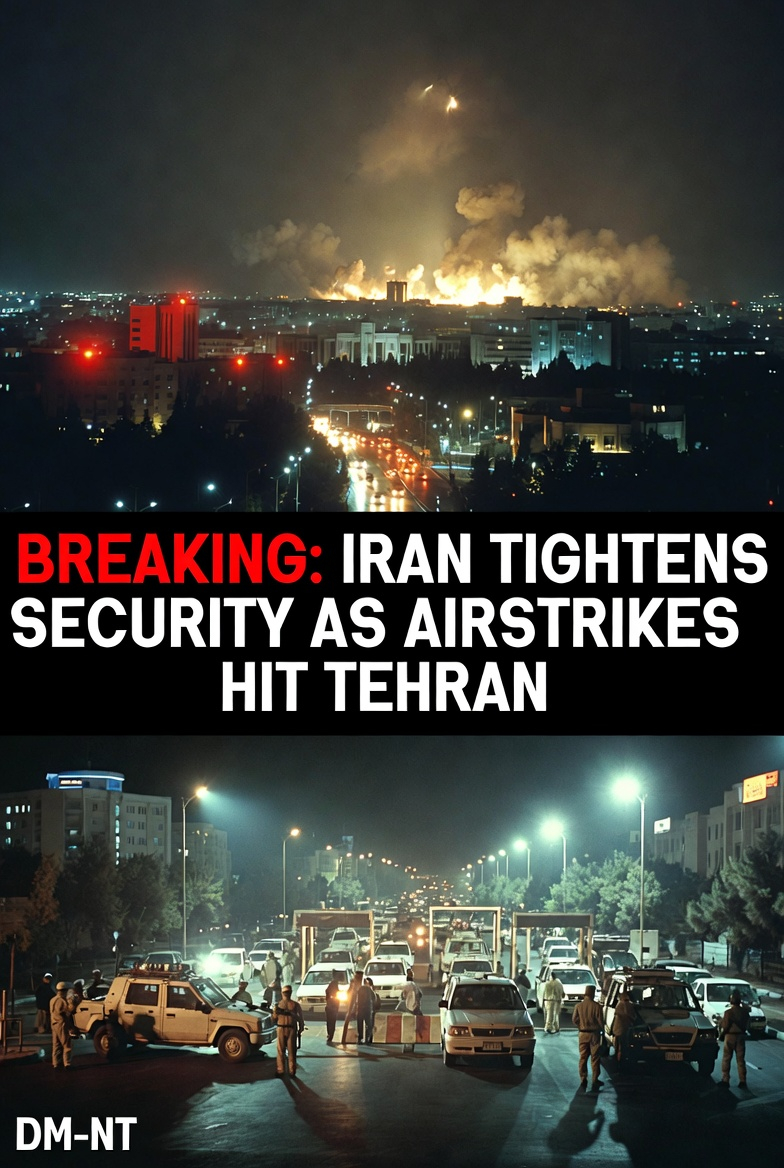
Iran is confronting a period of political uncertainty and heightened security tensions following the rapid designation of Mojtaba Khamenei as successor to his father, while an interim leadership council has temporarily assumed responsibility for managing the country’s affairs. The transition comes as authorities intensify internal security operations, including dozens of arrests linked to an alleged espionage network, and as Israeli airstrikes reportedly target internal security forces within Iranian territory.
Iranian officials confirmed that an interim council composed of senior government figures, including the president and other top officials, is overseeing state functions during the transition period. The council’s role is intended to maintain stability while the political and religious establishment navigates the leadership shift.
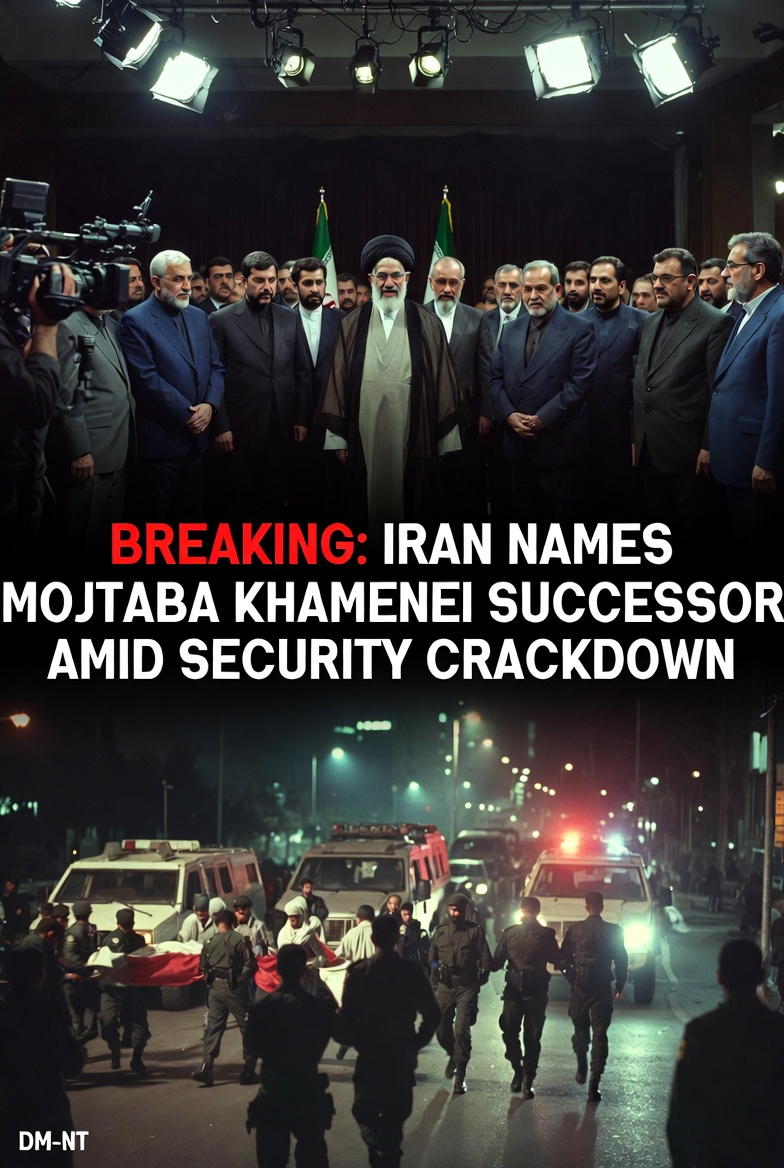
At the same time, Iran’s Intelligence Ministry announced a wave of arrests connected to what it described as a large espionage and media operation allegedly linked to the United States and Israel. Officials said dozens of suspects were detained on what authorities described as the eleventh day of an ongoing investigation. Among those arrested was reportedly a foreign national whose identity has not been publicly disclosed.
In a statement carried by Iranian state media, intelligence authorities alleged that the network had been involved in collecting sensitive information and conducting media operations intended to destabilize the country during a period of political transition. Iranian officials have not provided detailed evidence publicly but said the investigation remains ongoing.
Meanwhile, regional tensions have intensified following reports of Israeli airstrikes targeting security infrastructure inside Iran. According to several regional security sources, strikes carried out on March 10 and 11 were directed at Basij militia installations and internal security checkpoints in Tehran and in Kurdish-populated areas in northwestern Iran.
The Basij, a paramilitary volunteer force operating under Iran’s Islamic Revolutionary Guard Corps (IRGC), plays a significant role in internal security and crowd control. Analysts say that targeting such installations may reflect an effort to weaken internal security mechanisms and potentially disrupt the government’s ability to maintain order during a politically sensitive period.
Iranian authorities have not released detailed information about the damage caused by the reported strikes, but officials have condemned what they describe as foreign attempts to undermine the country’s stability. Israel has not publicly commented on specific operations, consistent with its long-standing policy of limited public acknowledgment of military actions inside Iran.
Security analysts say the combination of political transition, internal arrests, and external military pressure could create a particularly volatile environment inside the country. “When leadership transitions occur during periods of external conflict, governments often intensify internal security measures to prevent unrest or infiltration,” said one Middle East political analyst.
The developments are unfolding against a broader backdrop of longstanding tensions between Iran, Israel, and the United States. Over the past decade, the region has witnessed a series of covert operations, cyberattacks, and targeted strikes linked to the strategic rivalry among these actors.
Iran’s leadership structure combines both political and religious authority, with the Supreme Leader occupying the most powerful position in the country’s political system. Leadership transitions at that level are rare and often closely watched by both domestic and international observers.
Historically, Iran has faced periods of internal unrest during moments of political strain, particularly when economic pressure or external conflict coincided with leadership challenges. As a result, Iranian authorities often prioritize internal security operations during such transitions.
International observers are closely monitoring the current developments, particularly given the potential implications for regional stability. Any escalation between Iran and Israel could carry significant consequences for the broader Middle East, where multiple conflicts and alliances intersect.
Diplomatic officials from several countries have urged restraint and emphasized the importance of avoiding further escalation during the sensitive transition period. While Iran’s interim leadership council appears to be maintaining government operations for now, analysts say the coming weeks may prove critical in determining whether the country can navigate the transition without wider instability.
For the moment, Iranian authorities appear focused on consolidating internal control while responding to external pressures. However, with arrests continuing and regional tensions remaining high, the situation inside Iran remains closely watched by governments and security analysts around the world.
